How to Manage Medication During Travel: A Complete Guide for Stress-Free Trips

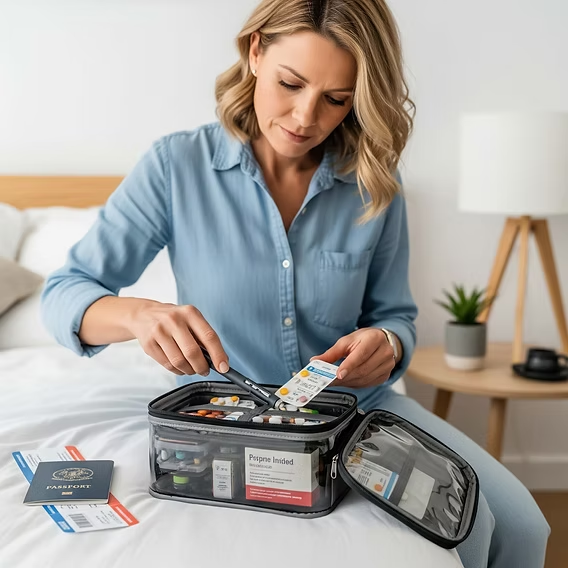
Traveling can be exciting, but managing medications while away from home requires careful planning. Whether you’re traveling for business, vacation, or visiting family, ensuring that you have the right medications, stored properly and available when needed, is essential for maintaining your health and peace of mind.

Why Medication Management Matters While Traveling

Missing doses, losing medications, or facing delays in obtaining prescriptions can quickly turn an enjoyable trip into a stressful experience. Proper medication management helps you stay on schedule, avoid health complications, and travel confidently.

Before You Travel: Plan Ahead

1. Create a Medication Checklist

Before packing, make a complete list of all medications you take, including:

  • Prescription medications
  • Over-the-counter medicines
  • Vitamins and supplements
  • Emergency medications such as inhalers or allergy treatments

Include the medication name, dosage, prescribing doctor, and pharmacy contact information.

2. Pack More Than You Need

Unexpected delays can happen. Bring at least a few extra days’ worth of medication beyond your planned travel dates. This can help you avoid running out if your return is delayed.

3. Refill Prescriptions in Advance

Check your medication supply at least one to two weeks before departure. Request refills early to ensure you have enough medication for your entire trip.

4. Carry a Copy of Your Prescriptions

Keep digital and printed copies of your prescriptions. This documentation can be helpful if medications are lost or if you need medical assistance while traveling.

Packing Medications Safely

Keep Medications in Carry-On Luggage

Never pack essential medications in checked baggage. Lost or delayed luggage can leave you without access to important medications.

Keeping medications in your carry-on ensures they remain accessible throughout your journey.

Use Original Containers

Store medications in their original labeled containers whenever possible. Original packaging helps identify the medication and may be required by security or customs officials.

Protect Temperature-Sensitive Medications

Some medications require specific storage conditions. If you use insulin, biologics, or other temperature-sensitive medications:

  • Use insulated travel cases
  • Carry cooling packs when necessary
  • Avoid leaving medications in hot vehicles or direct sunlight

Always follow manufacturer storage guidelines.

Managing Medication Schedules Across Time Zones

Traveling across time zones can make medication schedules confusing.

Consult Your Healthcare Provider

Before traveling internationally or crossing multiple time zones, ask your healthcare provider for guidance on adjusting medication timing safely.

Set Digital Reminders

Use smartphone alarms, medication reminder apps, or smartwatches to help maintain your schedule. Consistent reminders reduce the risk of missed doses.

Keep a Medication Log

Tracking when you take each dose can be especially helpful during long trips and schedule changes.

Traveling Internationally with Medication

Research Destination Regulations

Some countries have restrictions on certain medications. Check local regulations before traveling to ensure your medications are permitted.

Carry Supporting Documentation

Bring:

  • Prescription copies
  • A doctor’s letter if needed
  • Medical condition documentation for specialized treatments

Having proper documentation can simplify customs inspections and emergency medical situations.

Prepare for Emergencies

Know Where to Get Help

Before arriving at your destination:

  • Locate nearby pharmacies
  • Identify hospitals or urgent care facilities
  • Save emergency contact numbers

Store Information Digitally

Keep medication lists and healthcare information stored securely on your phone or in cloud storage for easy access.

Tips for Traveling with Chronic Conditions

If you manage diabetes, heart disease, asthma, or other chronic conditions:

  • Pack all necessary monitoring equipment
  • Bring backup batteries or chargers for medical devices
  • Carry emergency contact information
  • Wear a medical identification bracelet if appropriate

Being prepared can help you handle unexpected situations confidently.

Common Medication Travel Mistakes to Avoid

  • Packing medications in checked luggage
  • Bringing exactly the number of doses needed
  • Forgetting prescription documentation
  • Ignoring time-zone adjustments
  • Leaving medications exposed to extreme temperatures
  • Waiting until the last minute for refills

Avoiding these mistakes can help ensure a smooth and healthy travel experience.

Final Thoughts

Managing medication during travel doesn’t have to be complicated. With proper planning, organization, and preparation, you can stay on track with your treatment while enjoying your trip. Taking a few extra precautions before departure can prevent disruptions and help you focus on what matters most—making the most of your travel experience.

Whether you’re taking a weekend getaway or embarking on an international adventure, effective medication management is an important part of staying healthy wherever you go.


6 Things to Include in a Diet for High Blood Pressure

High blood pressure, or hypertension, affects millions of people worldwide and significantly increases the risk of heart disease, stroke, and kidney problems. While medication may be necessary for some individuals, diet plays a crucial role in managing blood pressure naturally. Making the right food choices can help keep your numbers under control and support overall heart health.

Here are six important foods and nutrients to include in your diet if you have high blood pressure.

1. Potassium-Rich Foods

Potassium helps balance the effects of sodium in the body and supports healthy blood vessel function. A diet rich in potassium can help lower blood pressure levels.

Good sources include:

  • Bananas
  • Oranges
  • Sweet potatoes
  • Spinach
  • Avocados
  • Coconut water

Aim to incorporate potassium-rich foods into your daily meals while following your healthcare provider’s recommendations.

2. Leafy Green Vegetables

Leafy greens are packed with potassium, magnesium, fiber, and antioxidants that contribute to better cardiovascular health.

Best options:

  • Spinach
  • Kale
  • Fenugreek leaves
  • Mustard greens
  • Lettuce

Adding a serving of leafy greens to lunch and dinner is an easy way to support healthy blood pressure.

3. Whole Grains

Whole grains provide fiber, vitamins, and minerals that help improve heart health and maintain healthy blood pressure levels.

Examples include:

  • Oats
  • Brown rice
  • Whole wheat
  • Quinoa
  • Barley

Replacing refined grains with whole grains can help improve overall cardiovascular health and support weight management.

4. Low-Fat Dairy Products

Low-fat dairy products are excellent sources of calcium, potassium, and protein, which are important for maintaining healthy blood pressure.

Healthy choices:

  • Low-fat milk
  • Yogurt
  • Buttermilk
  • Cottage cheese

Choose low-fat or fat-free options whenever possible to reduce saturated fat intake.

5. Nuts and Seeds

Nuts and seeds contain healthy fats, magnesium, fiber, and plant-based protein, all of which support heart health.

Recommended options:

  • Almonds
  • Walnuts
  • Flaxseeds
  • Chia seeds
  • Pumpkin seeds

A small handful of unsalted nuts makes a nutritious snack that can support blood pressure management.

6. Fruits Rich in Antioxidants

Many fruits contain antioxidants, fiber, and nutrients that help reduce inflammation and promote healthy blood vessel function.

Excellent choices include:

  • Berries
  • Pomegranates
  • Apples
  • Guava
  • Citrus fruits

Including a variety of colorful fruits in your diet can provide important nutrients that benefit heart health.

Bonus Tip: Reduce Sodium Intake

While adding healthy foods is important, reducing excess sodium is equally critical. Limit processed foods, packaged snacks, instant meals, and excessive table salt. Instead, flavor meals with herbs, spices, lemon juice, and natural seasonings.

Conclusion

A heart-healthy diet can make a significant difference in managing high blood pressure. By including potassium-rich foods, leafy greens, whole grains, low-fat dairy, nuts and seeds, and antioxidant-rich fruits, you can support healthier blood pressure levels and improve your overall well-being. Combined with regular exercise, stress management, and medical guidance, these dietary changes can be powerful tools in controlling hypertension and protecting long-term heart health.

Common Medication Mistakes Patients Should Avoid

Taking medications correctly is one of the most important parts of managing your health. However, many patients unintentionally make medication mistakes that can reduce treatment effectiveness, cause side effects, or even lead to serious health complications. Understanding these common errors can help you stay safe and get the best results from your treatment.

1. Skipping Doses

One of the most common medication mistakes is forgetting or intentionally skipping doses. Missing doses can make medications less effective and may worsen your condition.

How to avoid it:

  • Set daily reminders on your phone.
  • Use a pill organizer.
  • Link medication times to regular daily activities such as meals or bedtime.

2. Taking the Wrong Dose

Taking too much or too little medication can affect how well the treatment works and may increase the risk of side effects.

How to avoid it:

  • Always follow your healthcare provider’s instructions.
  • Use proper measuring devices for liquid medications.
  • Double-check labels before taking your medication.

3. Stopping Medication Too Early

Many patients stop taking medication once they start feeling better, especially antibiotics. This can lead to treatment failure or recurrence of the condition.

How to avoid it:

  • Complete the full prescribed course unless instructed otherwise by your healthcare provider.
  • Discuss any concerns about side effects before stopping treatment.

4. Mixing Medications Without Medical Advice

Combining prescription medications, over-the-counter drugs, supplements, or herbal products without professional guidance can cause harmful interactions.

How to avoid it:

  • Inform your healthcare provider about everything you take.
  • Ask your pharmacist before starting new supplements or medications.

5. Ignoring Medication Instructions

Some medications need to be taken with food, while others should be taken on an empty stomach. Ignoring these instructions can affect absorption and effectiveness.

How to avoid it:

  • Read medication labels carefully.
  • Follow all instructions provided by your doctor or pharmacist.

6. Sharing Medications with Others

A medication prescribed for one person may not be safe or appropriate for another, even if symptoms appear similar.

How to avoid it:

  • Never share prescription medications.
  • Encourage others to seek professional medical advice.

7. Taking Expired Medications

Expired medications may lose potency and, in some cases, may not provide the intended therapeutic effect.

How to avoid it:

  • Regularly check expiration dates.
  • Dispose of expired medications safely according to local guidelines.

8. Improper Medication Storage

Heat, moisture, and sunlight can damage certain medications and reduce their effectiveness.

How to avoid it:

  • Store medications according to label instructions.
  • Avoid keeping medicines in bathrooms where humidity levels are high.
  • Keep medications out of reach of children and pets.

9. Not Reporting Side Effects

Some patients continue taking medication despite experiencing side effects without informing their healthcare provider.

How to avoid it:

  • Monitor for unusual symptoms.
  • Contact your healthcare provider if you experience side effects or allergic reactions.

10. Failing to Maintain an Updated Medication List

In emergencies or when visiting multiple healthcare providers, an incomplete medication history can increase the risk of errors.

How to avoid it:

  • Maintain an updated list of all medications, dosages, and schedules.
  • Keep a digital or printed copy with you.

11. Using Multiple Pharmacies Without Coordination

Filling prescriptions at different pharmacies may make it harder to identify potential drug interactions.

How to avoid it:

  • Use one pharmacy whenever possible.
  • Ensure all healthcare providers have access to your current medication list.

12. Missing Follow-Up Appointments

Medication effectiveness and safety often require ongoing monitoring.

How to avoid it:

  • Attend scheduled follow-up visits.
  • Discuss any concerns about your treatment plan during appointments.

Conclusion

Medication mistakes are common, but most are preventable with proper awareness and organization. Taking medications exactly as prescribed, communicating openly with healthcare professionals, and staying informed about your treatment can significantly improve your health outcomes. By avoiding these common errors, patients can maximize the benefits of their medications while minimizing risks and complications.

Sign Up For Newsletter

Join 60.000+ Subscribers and get a new discount coupon on every Saturday.

Address

Discount Medicine
Oppsit Christ Jyoti School Satna

Whatsapp Us

+91 8889005654

wecare@discountmedicine.in

Download the app now!

Manage your health with ease Download Discount Medicine today! Get easy access to medicine refills, health information, and more. With our app, you'll never have to wait in line again. Download now and start taking control of your health.
Discount Medicine, an e-pharmacy and telehealth platform, focuses on providing affordable substitute medicines

Copyright © 2026 Discount Medicine. All Rights Reserved.

Add to cart